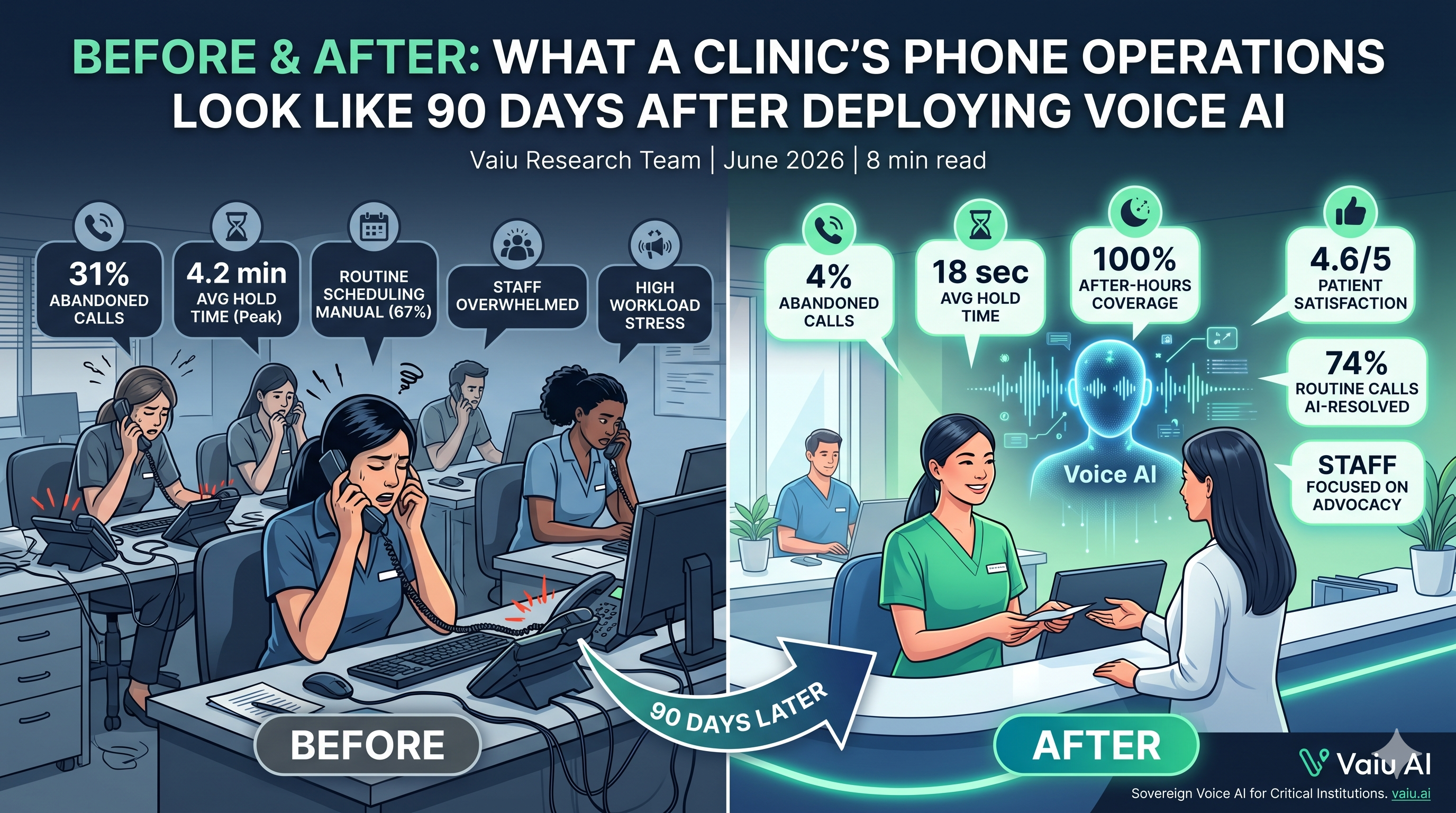
The Evolution of Virtual Assistants in Healthcare
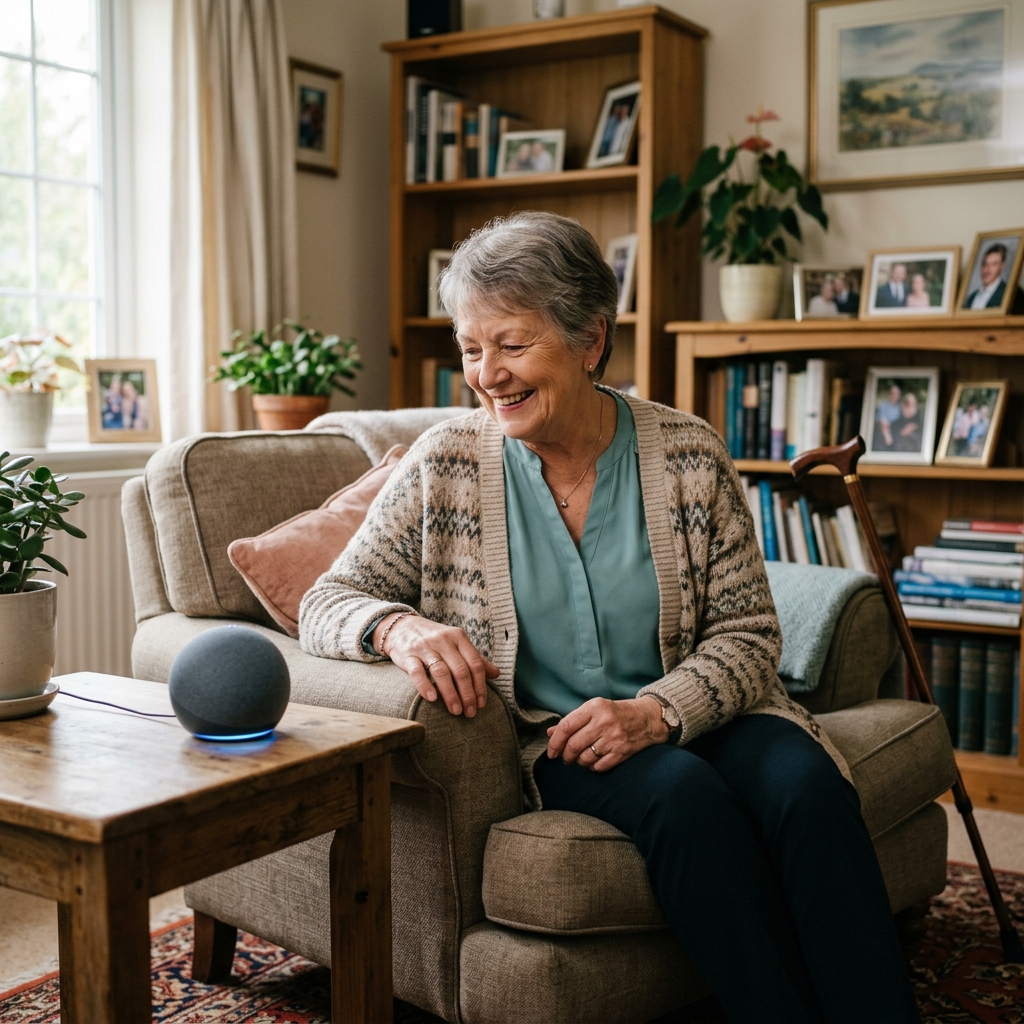
The journey of virtual assistants in healthcare started with basic IVR systems—the "Press 1 for appointments" era. Today, we are entering the age of emotionally intelligent, medically aware voice agents that are transforming the patient experience.
We've come a long way from the robotic, frustrating automated voices of the early 2000s. The evolution of virtual assistants in healthcare is a story of converging technologies: faster processing, better speech recognition, and, most importantly, the rise of Large Language Models (LLMs). This evolution is fundamentally changing how patients interact with the healthcare system.
The 1st Generation: Rules-Based IVR
The first automated assistants were simple decision trees. "Press 1 for hours, Press 2 for billing." These systems were designed for the benefit of the organization, not the patient. They were rigid, often misunderstood the user, and led to the "agent! AGENT!" phenomenon where patients would scream into the phone just to talk to a human.
While these systems reduced some staff workload, they often increased patient frustration and created a cold, impersonal barrier to care.
The Turning Point
The shift from "keywords" to "intent" was the breakthrough. Modern systems don't just listen for a specific word; they understand what the patient is trying to achieve, even if they use different language.
The 2nd Generation: Basic NLP and Chatbots
The next phase brought Natural Language Processing (NLP), allowing for basic "speech-to-text" interactions. Patients could say "I want to schedule a visit" and the system would understand. This was also the rise of the website chatbot—those small bubbles in the corner of your screen.
While an improvement, these systems were still largely transactional. They could handle simple tasks but struggled with nuance, emotion, or complex medical questions. They felt more like a search bar than a conversation.
The 3rd Generation: Emotionally Intelligent AI
This is where we are today. Modern voice AI, powered by LLMs, can have fluid, natural conversations that feel remarkably human. These agents can pick up on a patient's tone—detecting frustration, anxiety, or pain—and adjust their response in real-time.
They can answer complex medical questions based on the clinic's specific protocols, provide empathetic follow-up support, and even handle difficult scheduling scenarios that previously required a human supervisor.
"We have moved from 'automation' to 'intelligence.' These agents aren't just doing tasks; they are understanding and supporting the patient's needs."
The 4th Generation: Proactive Clinical Partners
The next frontier is proactive care. Future virtual assistants won't wait for the patient to call. They will use data from wearables and previous visits to reach out at exactly the right moment. "Hi David, I see your resting heart rate has been slightly elevated today. Dr. Smith would like to do a quick video check-in this afternoon—are you available?"
In this era, the virtual assistant becomes a continuous partner in the patient's health, ensuring that small issues are caught before they become major crises.
The Challenge of Maintaining the "Human Touch"
As virtual assistants become more sophisticated, we face a new challenge: ensuring that we don't lose the essential "human touch" that defines medicine. The goal of AI is not to replace human clinicians, but to augment them. We must be careful to design systems that handle the administrative and routine tasks, while always leaving the complex, emotional, and high-stakes work to the humans.
This requires a "human-in-the-loop" design philosophy, where the AI is constantly learning from and reporting to human supervisors. When a virtual assistant encounters a situation it can't handle—or a patient who is genuinely distressed—it must have a seamless and immediate escalation path to a human professional. This hybrid model ensures that patients benefit from the efficiency of AI while still having access to human empathy when it matters most.
Looking forward, the success of virtual assistants will be measured not by how "human" they sound, but by how well they support the human relationships at the heart of healthcare. By freeing up doctors and nurses to spend more quality time with their patients, AI is actually helping to bring the "humanity" back to a system that has become increasingly fragmented and transactional. The evolution continues, but the destination remains the same: better care for every patient, everywhere.
Conclusion
The evolution of virtual assistants is ultimately about accessibility and empathy. By leveraging technology to handle the routine, we can ensure that every patient receives the attention and care they deserve, 24/7. The "robotic" assistant is a thing of the past; the intelligent healthcare partner is here to stay.