Security and Privacy in Voice AI: Beyond Compliance

As voice AI becomes a standard part of the healthcare experience, the security and privacy of patient voice data is the most critical challenge facing the industry. Explore the advanced architectures that protect this data and ensure patient trust.
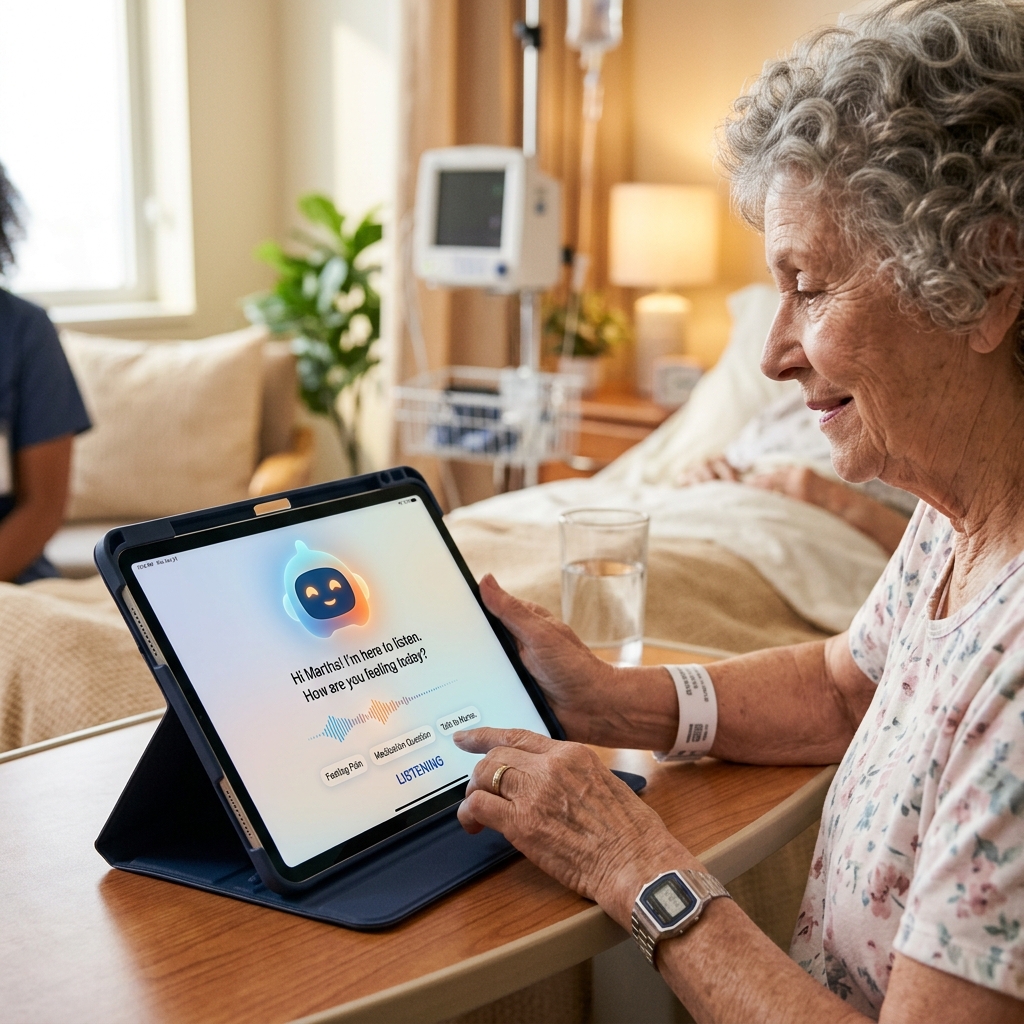
In healthcare, data is more than just numbers; it's a patient's life. When that data is in the form of a human voice, it carries an even higher level of sensitivity. A voice recording contains not just medical information, but also a person's unique identity, emotions, and even their physical state. Protecting this data is not just a legal requirement (HIPAA); it is a fundamental ethical obligation for any healthcare technology provider.
The Defense-in-Depth Approach
True security in voice AI requires a "defense-in-depth" architecture—a layered system of protections where even if one layer fails, the data remains safe. This involves much more than just simple encryption.
- Homomorphic Encryption: An emerging technology that allows AI to process data while it remains encrypted, meaning the server never actually "sees" the raw audio.
- Zero-Trust Architecture: A security model that requires continuous verification of every user and device attempting to access the AI system.
- Edge Processing: Processing the voice data directly on the patient's device (like a smartphone) rather than sending it to a central cloud server.
The Integrity Check
Security is only as strong as its weakest link. Regular third-party audits and "red team" penetration testing are essential for identifying and fixing vulnerabilities before they can be exploited.
Advanced Anonymization and De-identification
One of the most effective ways to protect privacy is to ensure the AI doesn't know who it's talking to. Modern systems use advanced NLP to strip personally identifiable information (PII)—like names, birthdays, and addresses—from the transcripts in real-time. Furthermore, "voice de-identification" can alter the characteristics of a voice recording so that it can no longer be used to identify the individual, while still allowing the AI to analyze the clinical content.
The Role of Transparency and Consent
Security is a technical challenge; privacy is a human one. Patients must be fully informed about how their voice data is being used, where it is being stored, and who has access to it. This requires clear, plain-English privacy policies and explicit, easy-to-understand consent forms. When patients feel in control of their data, they are far more likely to trust and engage with the technology.
"Trust is the currency of healthcare. If we lose the patient's trust in the security of their data, we lose the potential of the technology entirely."
The Evolution of AI Accountability
As AI systems become more autonomous, the question of accountability becomes increasingly complex. Who is responsible if an AI makes a mistake that leads to a privacy breach or a clinical error? To address this, the healthcare industry is moving toward a "Safety-by-Design" philosophy, where security and accountability are built into the technology from the very first line of code. This involves the use of "Explainable AI" (XAI) models that can provide a clear audit trail of their decision-making process.
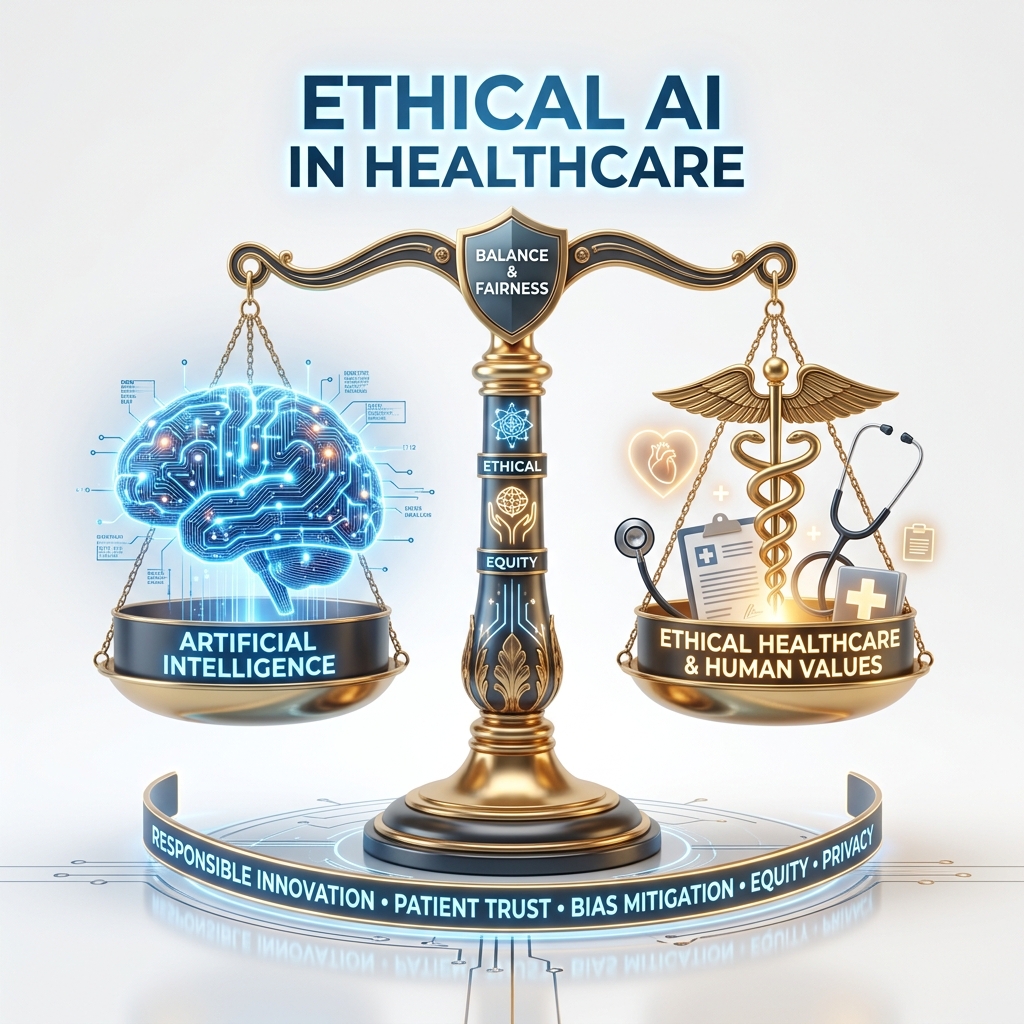
Furthermore, we are seeing the rise of independent "AI Ethics Boards" within healthcare organizations. These boards are responsible for reviewing AI implementations, monitoring for bias, and ensuring that the technology is being used in a way that aligns with the organization's values and the patient's best interests. This human oversight is vital for maintaining the ethical integrity of the system and ensuring that AI remains a tool for good. The future of healthcare security is a collaboration between advanced technology and human wisdom.
Ultimately, the goal is to create a "culture of trust" where patients feel confident that their most personal data is being used responsibly and ethically. By prioritizing security, transparency, and accountability, we can unlock the full potential of voice AI to transform healthcare while protecting the fundamental rights and dignity of every patient. The road ahead is complex, but the destination—a smarter, safer, and more human healthcare system—is well worth the journey.
Conclusion
The security of voice AI is an ongoing battle, as threats and technologies both evolve. By committing to a defense-in-depth approach, prioritizing anonymization, and maintaining absolute transparency with patients, we can create a healthcare ecosystem where the power of AI is balanced with the fundamental right to privacy. The future of healthcare is intelligent, but it must, first and foremost, be secure.