AI-Driven Diagnostics and Patient Intake
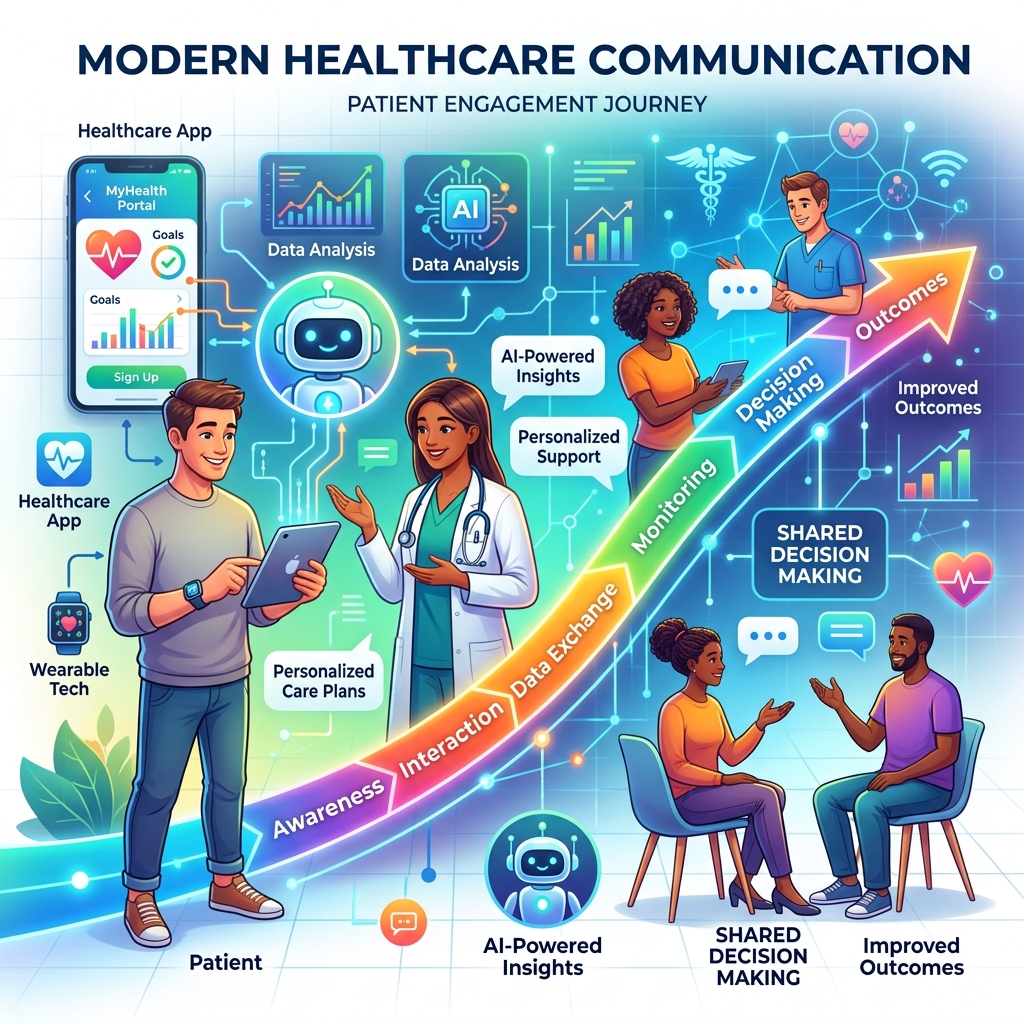
The clipboard is dead. AI-driven patient intake and diagnostics are transforming the waiting room experience, making it faster for patients and more informative for doctors.
For most patients, the healthcare journey begins with a stack of paperwork in a cold waiting room. This manual intake process is not just a nuisance; it's a source of data errors and a major bottleneck for the entire clinic. AI is finally allowing us to replace the clipboard with a smart, conversational intake process that gathers better data in less time.
The Bottleneck of Manual Intake
Manual intake relies on the patient's memory and their ability to accurately transcribe their history onto a piece of paper. This information then has to be manually entered into the EHR by a staff member—a process that is prone to typos and misinterpretations. This creates a "lag" between the patient's arrival and the moment the doctor has a clear picture of their health.
Furthermore, standard forms are static. They ask everyone the same questions, regardless of why they are there. A patient with a broken toe doesn't need to answer the same detailed questions as someone with chronic migraines.
🏥 The AI Advantage
AI intake systems can reduce the average intake time by 60% while increasing the accuracy of the patient's medical history.
Dynamic, Smart Intake
AI-driven intake systems (whether via a mobile app or a voice agent) are dynamic. They ask follow-up questions based on the patient's previous answers. "You mentioned you've been having headaches. Are they worse in the morning? Do you experience any light sensitivity?"
This allows the AI to perform a "pre-diagnostic" workup, gathering the level of detail that a doctor usually has to spend the first 10 minutes of a session uncovering. By the time the doctor walks into the room, they have a summarized report of the patient's current symptoms and relevant history.
"AI doesn't diagnose; it prepares. It ensures the doctor has the best possible information to make an accurate diagnosis faster."
Preliminary Diagnostic Insights
In some specialties, AI can even provide preliminary insights. For example, in dermatology, a patient can upload a photo of a skin concern during the intake process. The AI can analyze the photo and flag it for immediate attention if it matches patterns of high-risk conditions. This doesn't replace the doctor's exam, but it ensures that the most urgent cases are prioritized.
Seamless EHR Integration
The real value of AI intake is that the data is structured from the start. There is no manual data entry. The information flows directly from the patient's conversation into the correct fields of the EHR. This reduces the administrative burden on the clinical team and ensures that the patient's record is always up-to-date and accurate.
Addressing the "Digital Divide" in Patient Intake
While AI-driven intake offers massive benefits, we must be careful not to create a "digital divide" where some patients are left behind. Older patients or those with limited technology access may find digital forms intimidating. To address this, the next generation of intake tools focuses heavily on "multimodal" access—allowing patients to choose between a mobile app, a tablet in the lobby, or a natural voice interaction.
By providing multiple ways to engage, clinics can ensure that everyone benefits from the increased efficiency and accuracy of the system. Furthermore, AI agents can be programmed to provide extra guidance and support for those who seem to be struggling with the process, ensuring that no one is excluded from the benefits of modern technology. Inclusion is a design principle, not an afterthought.
As we look toward the future, the integration of intake data with population health analytics will allow clinics to identify broader health trends within their community. By analyzing the data from thousands of intake sessions, administrators can identify rising health concerns or gaps in local services, allowing them to adapt their practice to meet the community's needs more effectively. The clipboard was a tool for a single visit; AI is a tool for a healthier society.
Conclusion
AI-driven intake and diagnostics are about reclaiming time—time for the patient to feel heard, and time for the doctor to practice medicine. By removing the friction of the waiting room, we can create a healthcare experience that is more efficient, more accurate, and more human for everyone involved.