The Future of Telehealth and Voice Agents
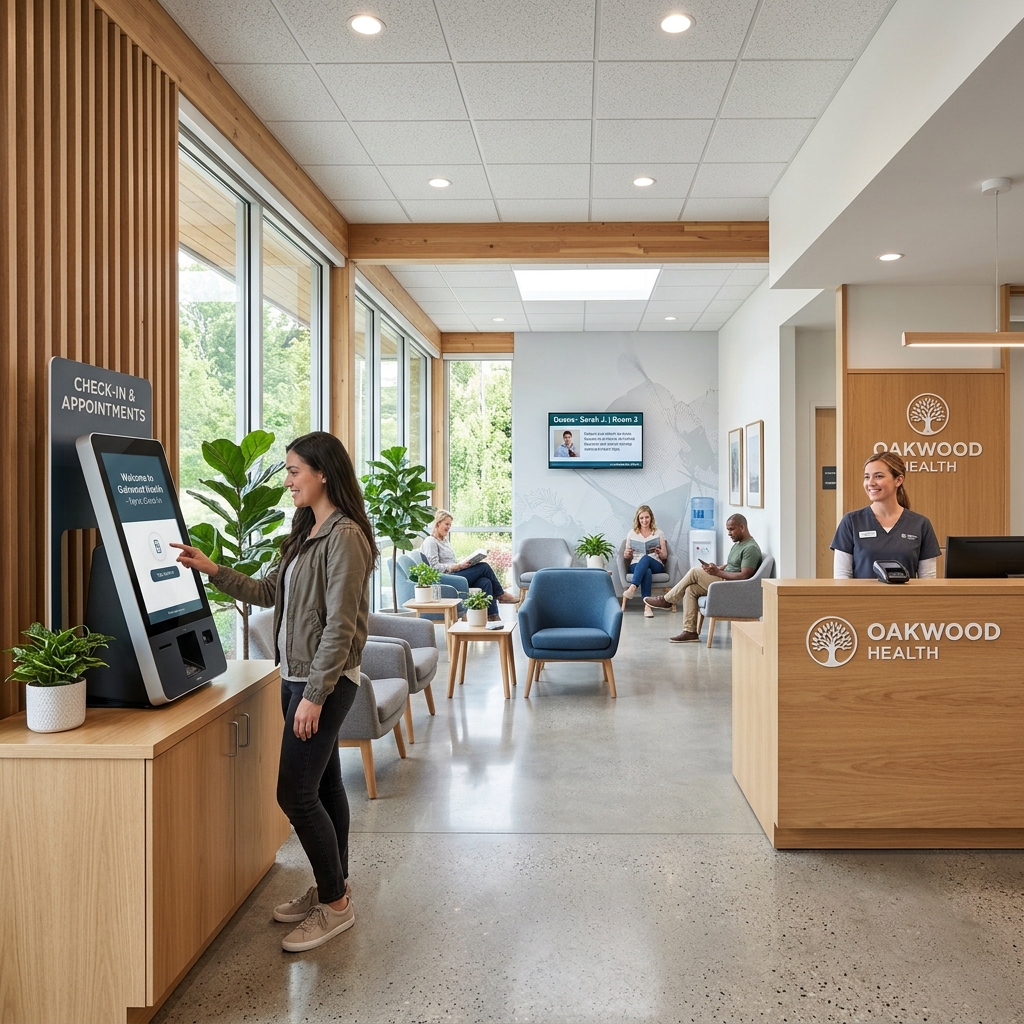
Telehealth has transformed how we access care, but the human element is often stretched thin. Voice agents are becoming the frontline of remote patient management, providing a scalable bridge between physical visits.
In 2020, telehealth was a necessity. In 2026, it is a standard of care. But as the volume of remote visits grows, healthcare systems are facing a new challenge: how to manage patients when they are NOT on a video call with their doctor. This "between-visit gap" is where most health complications occur.
The Limits of Video-Only Telehealth
A video call is a snapshot in time. It doesn't capture the daily fluctuations of a chronic condition or the slow onset of a post-surgical complication. Doctors can't call every patient every day to check in. This leads to a reactive model of care where problems are only addressed once they become severe enough for the patient to call the clinic.
Voice AI agents offer a proactive alternative. They can maintain a "warm connection" with patients through frequent, natural conversations that gather vital health data and provide peace of mind.
Patient Comfort with AI
Frequency of Check-ins
ER Visit Reduction
Continuous Remote Patient Monitoring (RPM)
Imagine a patient recovering from heart surgery. A voice agent calls them every morning at 9:00 AM. "How are you feeling today? Have you noticed any swelling in your ankles? What was your weight this morning?"
The AI isn't just recording answers; it's comparing them to previous days. If the patient's weight has increased by 3 pounds in 24 hours—a sign of fluid retention—the AI can immediately flag this to the clinical team. This allows for intervention BEFORE the patient ends up in the emergency room.
"Voice AI turns telehealth from a series of disconnected episodes into a continuous journey of care."
Breaking the Language Barrier
Telehealth often fails patients who don't speak English as their first language. Finding interpreters for every call is difficult and expensive. Voice AI agents can be fluently multilingual, providing high-quality care and monitoring in the patient's native tongue.
This increases health equity and ensures that vital medical instructions are understood by everyone, regardless of their background.
The "Always-On" Clinic
Patients don't just have health concerns during business hours. A voice agent is available 24/7 to answer questions like: "I forgot my evening dose, what should I do?" or "Is this redness around my incision normal?"
By providing immediate, accurate answers after hours, voice AI reduces patient anxiety and prevents unnecessary urgent care visits. It makes the clinic feel always available, even when the physical doors are locked.
📡 The 2030 Vision
In the next few years, telehealth will be largely automated for routine monitoring, with human doctors only stepping in when the AI detects a deviation from the recovery path.
The Psychological Impact of Continuous Connection
Beyond the clinical metrics, we must consider the psychological impact of AI-driven continuous care. For many patients, especially those with chronic conditions, the feeling of being "watched over" by an intelligent system can significantly reduce health-related anxiety. Knowing that a voice agent will check in every morning provides a sense of security that traditional healthcare models simply cannot offer.
This psychological "safety net" can improve treatment adherence as patients feel more accountable and supported. However, we must also be mindful of "monitoring fatigue." If the AI check-ins feel too robotic or intrusive, patients may begin to ignore them. The next generation of voice agents will focus heavily on emotional intelligence—learning when to nudge, when to provide detailed information, and when to simply offer a friendly greeting.
As we look toward 2030, the line between "at-home" and "at-clinic" care will continue to blur. The voice agent will become a central part of the family's health infrastructure, managing everything from prescription refills to nutritional guidance. By leveraging the power of AI, we can ensure that telehealth is not just a digital version of the old system, but a completely new, more effective way to stay healthy.
Conclusion
Telehealth is no longer just about seeing a doctor on a screen. It's about a complete ecosystem of remote care, powered by voice AI that is intelligent, empathetic, and always watching. This shift will lead to better outcomes, lower costs, and a more human healthcare experience for everyone.